
Gutter Protection for your home and business
Scorpion Pest Management has been supplying & Installing quality Blue Scope Steel Gutter Guard & Ember Guard systems for over 10 years. The only gutter guard in Australia manufactured under an independently certified quality management system.
It is manufactured under an internal quality management system in accordance with ISO 9001.
The 3D pre-moulded Colorbond steel is available in over 20 colours and is specifically designed to fit perfectly to your roof, with no gaps. Best of all, despite being the highest quality product, the cost is comparable to most inferior systems on the market.
Going the extra mile
As part of your Gutter guard installation, we will also clear your gutters of leaves & debris, nesting material and as licensed pest technicians, we're able to treat the roof space for bird mites as part of the installation service! Servicing Southern Tasmania.
Call Us 6268 5397
Types of Protection.
GUTTER GUARD, EMBER GUARD & BIRD NETTING.GUTTER GUARD
Our Gutter Guard systems are designed to block out Birds, Pests, Leaves, Debris. Our service includes clearing the gutters and treating for bird mites in your roof.
2
EMBER GUARD
Ember Guard has all the features of a Gutter Guard system, but it is Bush fire compliant, designed to prevent ember attacks. Complies with AS 3959-2009.
BIRD NETTING
Bird Netting is a strong net used to prevent birds from accessing certain areas of your home or business, such as under the verandah or patio area.
i
Protect your home.
STOP THESE FROM GETTING IN!
BIRDS

LEAVES
EMBERS
RODENTS
WHY YOU SHOULD CHOOSE SCORPION
ALL INSTALLATIONS COME WITH A FREE GUTTER CLEAN, NESTING REMOVAL AND BIRD MITE TREATMENT
FREE QUOTATION
We will travel to Greater Hobart & surrounds, for your measure and quote, at no cost!
QUALITY BLUESCOPE COLORBOND® STEEL
The only Gutter Gutter Guard in Australia manufactured under an independently certified quality management system
A WHOLE RANGE OF COLOURS
Available in 20 stylish Colorbond colours, to suit any roof!
PROTECT AGAINST EMBER ATTACKS
Protects against ember attacks (& won't melt) Complies with AS 3959-200915 YEAR PRODUCT WARRANTY
All gutter protection systems come with a 15 year Colorbond product warranty
STYLISH DESIGN WITH NO GAPS
3D Pre-moulded Colorbond steel that fits perfectly to your roof
Your Roof Type.
GUTTER PROTECTION SYSTEMS FOR ALL METAL/COLORBOND/IRON ROOF TYPES AND PROFILES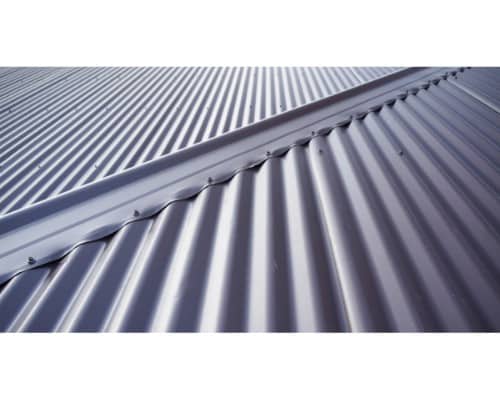
CORRUGATED ROOFS
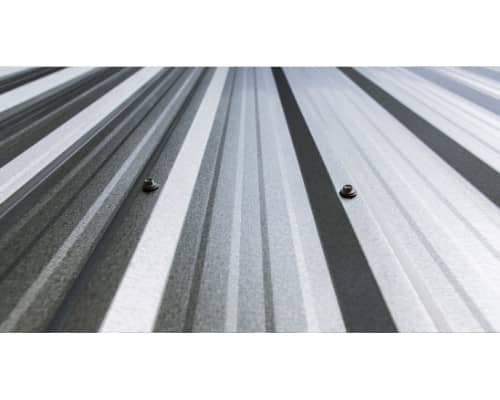
TRIMDEK ROOFS
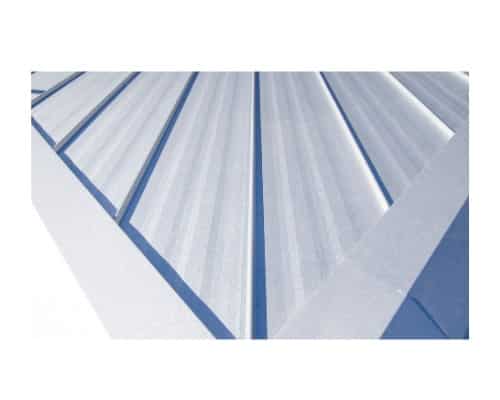
TIN ROOFS
Frequently Asked Questions